Showing posts with label toledo zoo. Show all posts

Sunday, October 4, 2015

Toledo Zoo named BEST ZOO in the United States

We always make a special effort a few times per year to take a road trip with our kids to visit the TOLEDO ZOO because it really is a great park and a nice change of pace with different exhibits and animals on display to enjoy from our own local Detroit Zoo which with our annual membership itself is a pretty frequent destination for our family.  So it really wasn't that much of a surprise when we heard that this Midwestern factory town's zoo was named by USA TODAY as the "Best Zoo in the USA" and "one of the top 10 zoos in the U.S." by Family Fun Magazine. The Toledo Zoo is home to more than 9,000 animals representing over 800 species.  It also just completed a new 178,000 gallon aquarium so that a visit to the zoo not only lets you observe land animals but also takes you under the sea.

Because the Detroit Zoo is just a few minute drive from our house we've become pretty accustomed to that place so making a trip to the Toledo Zoo is always a special treat to check out new things.  My kids favorite three features of the Toledo Zoo ( the hippoquarium, elephant exhibit & salt water aquarium)  aren't available to see at our local zoo making the experience out of the ordinary and extra special for them.  These exhibits really provide a close up views of these creatures allowing for some extraordinary experiences.

The Hippoquarium

Visitors to this exhibit are treated to a view of the underwater world of Nile hippopotamus.  This 360,000 gallon pool has a filter system that cleans 8,000 gallons of water every 90 minutes to help provide a clear closeup view of the hippos as they lounge and wander about underwater.  My kids always are thrilled when they have an up close encounter with these humongous creatures.

 
Elephants of the Savanna


Speaking of larger creatures, right next door to the hippoquarium is the elephant enclosure.  Whenever my daughter brings up a trip to the Toledo Zoo the first thing she references is wanting to go see the elephants.  The Toledo Zoo enlarged and renovated this exhibit in 2012 providing for expanded viewing areas for people and more stimuli for the African elephants that call it home including elevated feeders, enrichment walls and trees that creating a dynamic space for the animals.


The Hippoquarium and Elephants of the Savanna exhibits are part of a larger themed African Safari themed display area called the Tembo Trail.  As you venture along the Tembo Trail in addition to elephants and hippos, you'll also encounter lions, white rhinoceros, spotted-necked otters, slender-snouted crocodiles, naked mole rats and meerkats.


Aquarium


After a two and half year closure for a $25 million dollar expansion and renovations just re-opened in the Spring of 2015.  This exhibit has transformed a 46,000 gallon aquarium that had mostly displayed local freshwater varieties of fish into a 178,000 immersive underwater experience where people can view more than 3,000 creatures from a variety of ecosystems around the world.


We took a road trip this summer to the Toledo Zoo just to check out the new aquarium facility and I have to say it really is fin-tastic!  CLICK HERE to check out A Geek Daddy's review of the Toledo Zoo's aquarium "Sea-ing the Toledo Zoo Aquarium is Fin-tastic!"

Playgrounds


It just figures though that my kids enjoy playing at the Toledo Zoo almost as much as venturing around observing all the wonderful animals.  The zoo has a nice area called Nature's Neighborhood that has a playscape area featuring a kids only tree house to explore, rock walls to climb and a stream to wade in.  There is also the Jumpin Junction indoor workshop area that has projects to do and presentations to see throughout the day all year long.  At Jumpin Junction kids can see themselves on a large TV screen with backgrounds from the natural world behind them or they can play around with animal costumes and puppets for a fun experience.


During the warmer months there also are daily performances at 2 pm each day featuring Toledo Zoo animals at the outdoor Fisher-Price Discover Stage for families to enjoy or you can pet African pygmy goats in Nature Neighborhood's Goat Yard.


As part of the aquarium renovation, the Toledo Zoo also just installed a great aquatic splash pad play area directly behind that facility that also includes oceanic themed play structures like a giant crab holding a tire swing in its pinchers.


A few other highlights of trip to the Toledo Zoo include taking a train ride around Africa! which circles a field filled with zebras, giraffe, wilderbeest, ostrich, and wild dogs; trekking through the Arctic Encounter to view polar bears and seals; meandering through the Primate Forest filled with lemurs, monkeys, and red pandas; and a walk through the reptile house which features a giant saltwater croc. CLICK HERE for a map with a full layout of the zoo.

Of course we can't head home for the day until we've taken a ride on the old fashion carousel situated by the park's main entrance.

 
If you happen to be visiting the area the Toledo Zoo has a nice Out-of-town Visitor Guide on its website to help with planning a trip to the zoo.  If you can make it to Toledo, A Geek Daddy recommends that a visit to their zoo is well worth it.  You'll always discover something that will put a smile on your at the Toledo Zoo!

Friday, August 28, 2015

Sea-ing the new Toledo Zoo Aquarium is Fin-tastic

When our family heard that the Toledo Zoo's Aquarium was open after having been closed for two and half years for an expansion and renovations we just had to make a road trip to go check it out.  This new $25 million investment in the exhibit has transformed a 46,000 gallon aquarium that had mostly displayed local freshwater varieties of fish into a 178,000 immersive underwater experience where people can view more than 3,000 creatures from a variety of ecosystems.


One of the key additions to the renovated aquarium is its interactive touch tank and ocean lab area.  Children and kids at heart of any age can experience touching sting rays, sharks, crabs, and sea stars.  There is a large open tank you can walk around and simply place your hand in the water to pet something.  The sting rays will actually seek out submerged hands to get a nice rub against.


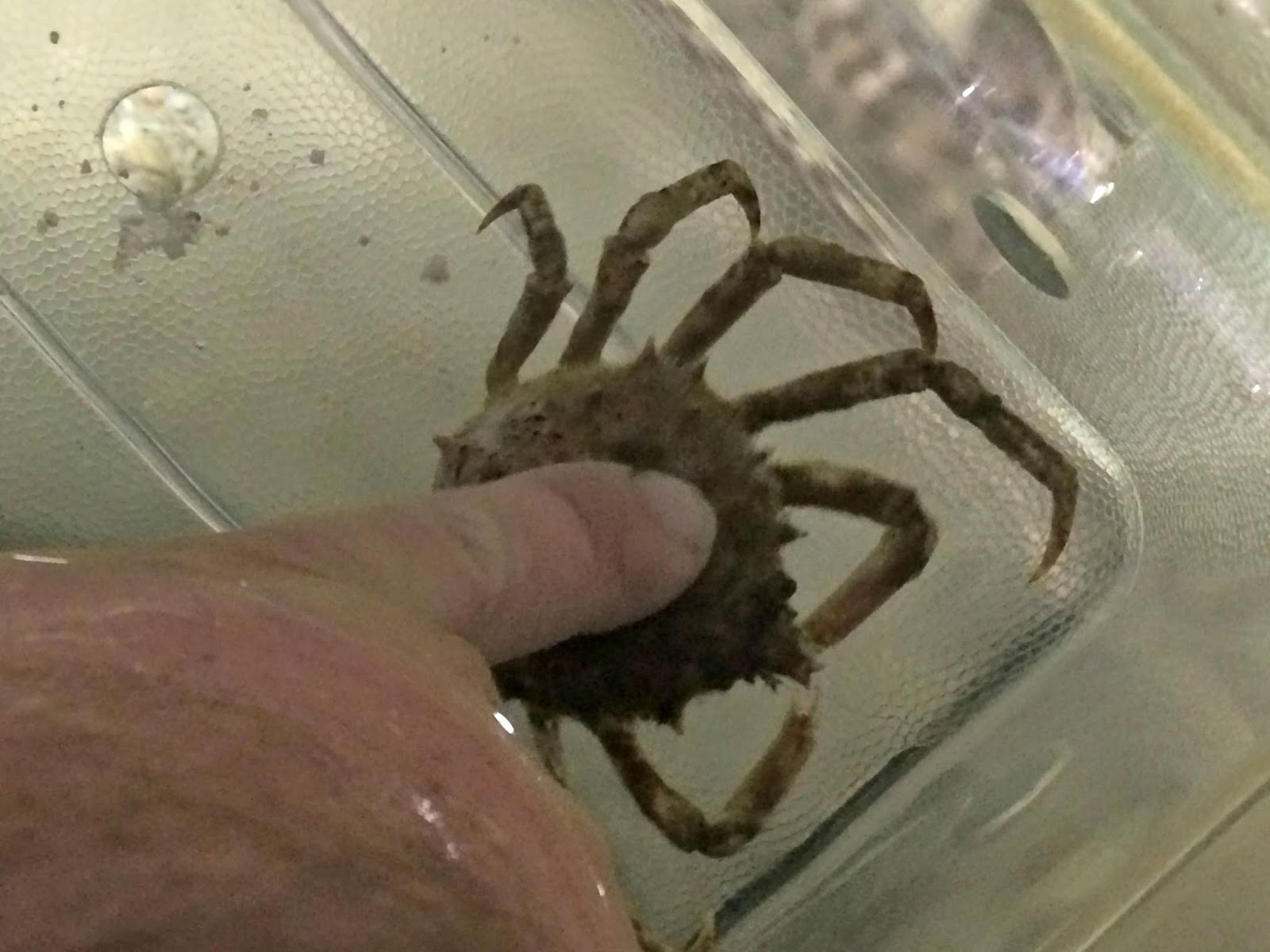
There is also a second tank area where you can walk up to get a close up view of creatures like crabs and sea stars plus give them a pet if you'd like.


My daughter really enjoyed a display they had with jelly fish.  It featured a control panel where you could switch the coloring of the lights in their tank allowing visitors to illuminate the jelly fish in different shades of colors.  My kids were just wowed by this and I do have to say it was a stunning sight to behold.


My son's favorite part of the ocean lab was a wheel you pushed to open and close the jaws of a Great White shark demonstrating the pressure of its bite.  That's definitely not something you would want to experience in real life.


The heart of the new aquarium facility is its brand new 90,000 gallon Pacific Reef tank.  Prior to the renovation, the largest tank in the aquarium has held 7,600 gallons of water to highlight the scope of this exhibit's expansion.  The Pacific Reef tank is full of colorful coral and fish plus of course what people come wanting to see at an aquarium, sharks.

 
The touch tank and ocean lab section isn't the only interactive aspect of the aquarium.  The Pacific Reef tank features daily presentations at 11 am, 1 pm and 3pm where trained divers give feeding demonstrations and wear microphones so they can talk to people who are watching them.  During our visit the diver swam up to where my kids were my kids were viewing her and begin communicating and interacting with them.  It was really a memorable moment that my children have brought up quite a few times in conversations since our visit.

 
The renovation has expanded the saltwater displays in the aquarium from 37% of its space to 87%.  In addition to the touch tanks and the Pacific Reef tank some other new displays include the aquarium's second largest tank which highlights the Gulf of Mexico and features a rays, a sea turtle, and sharks, a Kelp Forest with leopard sharks and bat rays, and a view of the Deep Sea with giant Japanese spider crabs.


Freshwater fish haven't been forgotten or tossed aside in the renovation either.  There are displays highlighting South America's Amazon and Asia's mangrove forest underwater ecosystems.  Of course the aquarium needed to preserve its local educational aspect as well so there is a Lake Erie Islands & Ohio Waterways display as well featuring fish that range from tiny minnows to incredibly large growing sturgeon. The alligator turtle was quite an impressive sight as well and not something I'd want to bump into while swimming in a river or lake.


One final note - you're going to want to bring your swim suit with you to this aquarium.  No you won't be swimming with the fishes but the Toledo Zoo has added a very nice oceanic themed splash pad and playground behind the aquarium for families to enjoy during their visit.  Yes that's a whale spouting out water at you and a crab you can swing from!


We really enjoyed sea-ing the new Toledo Zoo Aquarium and had a fin-tastic time!  If you happen to be visiting Toledo or not too far away to make a road trip, A Geek Daddy highly encourages you to pay it a visit.

Wednesday, August 12, 2015

World Elephant Day - Help National Geographic Save Animals in the Wild

** I am part of the National Geographic Kids Insiders program.  A Geek Daddy received special perks as part of my affiliation with this group but no financial compensation **


My daughter has really become intrigued by elephants since she started reading the National Geographic Kids book MISSION: ELEPHANT RESCUE.  This 107 page book is full of color photographs providing up close views of elephants and their habitat.  It provides lots of interesting facts about elephants, stories about the plight of elephant populations being depleted and facing extinction due to poaching and habitat loss, and how people, even kids, can make a difference in helping save wild elephants.

After reading through MISSION: ELEPHANT RESCUE, my daughter asked if we could go somewhere to see one up close.  So we ventured over to the elephant habitat at the Toledo Zoo.  My daughter was thrilled to see real life elephants during our visit to the zoo but also told me she was a little sad.  I asked her why and she told me that it really would be a shame if the only places elephants lived were in circuses and zoo so that none of them lived on their own in the wild anymore.


Unfortunately, the world's largest land animal is threatened with a very small area of remaining habitat and shrinking herd populations making it harder and harder for them to remain vibrant in the wild. As our family's contribution to helping preserve wild elephant herds and habitat on this World Elephant Day ( August 12 ) we are helping promote the book that inspired my daughter's interest in learning more about elephants National Geographic Kids MISSION: ELEPHANT RESCUE.  Proceeds from the sale of this book go directly toward funding the non-profit National Geographic Society's efforts to support endangered animals and their habitats.  National Geographic also works to educate people so they can understand how to be advocates and take action to help preserve our planet's wild animals and places through publications such as MISSION: ELEPHANT RESCUE.

In recognition of World Elephant Day, here are also some interesting facts highlighting how incredible of creatures these pachyderms are:
  • There are two main species of elephants: the Asian Elephant and the African Elephant.  The African elephant is the larger of the two and both the males and females of this species have tusks.  Unfortunately poachers hunting elephants for the ivory their tusks are made of is one of the greatest threats to elephant populations.  Some African countries are removing the tusks from wild elephants to try and protect them from poachers.
  • Elephants don't like peanuts.  They don't eat them in the wild and zoos don't feed them to the animals in captivity.  My daughter was excited to learn this because due to a severe food allergy she doesn't eat peanuts either.  Prior to learning this she had been a little disappointed that one of her favorite animals appetite was for a food she couldn't be around.
  • Elephants are the largest land mammals on our planet and that is reflected in how they eat.  Elephants can eat as much as 300 pounds of food and spend up to 16 hours eating per day.
  • Despite their size elephants love to swim and can use their trunk as a snorkel when swimming in deep water.
  • An elephant's trunk contains more than 40,000 muscles which are more than there are in the whole human body.   A trunk is very dexterous with the ability to grasp and pick up something as small as a single grain of rice or blade of grass.  It is also strong enough to tear down a tree.
  • Just like you and I, elephants can get sunburned so they throw sand on their heads and back to protect themselves.  They also do this to keep bugs off of them.
  • Elephants will avoid bees and ants because they don't want them getting into their trunks which are lined with sensitive nerve endings.  Farmers in Kenya have begun to line the fields they plant their crops in with bee hives to ward off elephants.  In addition to protecting their farmland, the honey from these hives provide the farmers with extra income.
  • The elephant's closest living genetic relative is a small furry badger like animal called a Rock Hyrax that lives in rocky landscapes across the African sub-Saharan region and along the coast of the Arabian peninsula.
  • Female elephants have the longest pregnancy of any mammal at 22 months.  Newborn elephants can weigh up to 260 pounds, a comparable weight to that of an adult man.